The Hidden Reality of Postpartum Healing: One Physician-Mom’s Story
Postpartum Expectation vs Reality
When checking in at labor and delivery to have my first baby I got asked from my team, “What’s your birth plan?”. My answer was simple: I want a healthy, happy baby. Whatever we needed to do that is what I wanted. Little did I know that would include an episiotomy, a significant grade 2 vaginal tear and a postpartum d&c due to a partially retained placenta and heavy bleeding.
After delivering a healthy, happy baby I had no idea how overwhelming it would be to juggle caring for a newborn and taking care of myself. As a physician I thought I was prepared, I had done research about the newborn phase and postpartum recovery. However, my recovery from birth (as many mom recoveries are just not talked about enough) was far from straight forward. I felt robbed from my first few days with my baby because I felt so horribly, I wasn’t able to give the baby my undivided attention. Every time I stood up I felt like I was going to pass out. I could hardly sit up in bed and any movement caused extreme discomfort. I still feel guilty about it to this day that I couldn’t be fully present (#momguilt). I was shocked how much the postpartum experience knocked me down. It felt like a long road, but now eight months postpartum I can say I am pain free and feel back to my new normal.
Ice. Ice. Ice. The ice pad packs are worth it. I iced most of the day when I was awake in the first 7-10 days. This provided immense relief but also helped with the swelling.
Ibuprofen/Tylenol. Helped with pain and swelling.
Monitor your stitches. Be on the look out for signs infection such as swelling, redness, or drainage.
REST. Seriously. If you’re like me, sitting around and resting is not something I excel at. But you just birthed a human. Relax on the couch with your newborn. Pushing yourself when you’re not ready is only going to delay your recovery. On day 10 postpartum I walked to my mailbox and I called that a victory. Movement is a huge component of my mental health- I found a postpartum program and slowly started moving my body.
Ask for help. I will truly never be able to thank our village for supporting us when we needed it the most.
Expert help: Pelvic Physical Therapy (PT)/estrogen cream. Lastly, because of all the scarring from the episiotomy and vaginal tear, I kept having pain thinking it was normal. I had an ObGyn who heard me. She prescribed a topical estrogen cream which can help improve wound healing, and in turn can help with pain from scarring. I was also referred to pelvic PT. I was so intimated and embarrassed about going to pelvic PT because of internal exams and the connotation around it. After just a few sessions, I learned exercises and stretches to help mobilize the scar tissue. I found a PT who I trusted and was able to help guide my recovery in the most meaningful way. I credit pelvic PT for giving me back my quality of life, and getting me on the road to becoming pain free.
The birth story I imagined was a far cry from reality. Not everyone has a birth story and recovery they want to share, and I certainly couldn’t talk about mine without crying for the first few months. You won’t feel like this forever; celebrate the small victories and advocate for yourself and your healing.
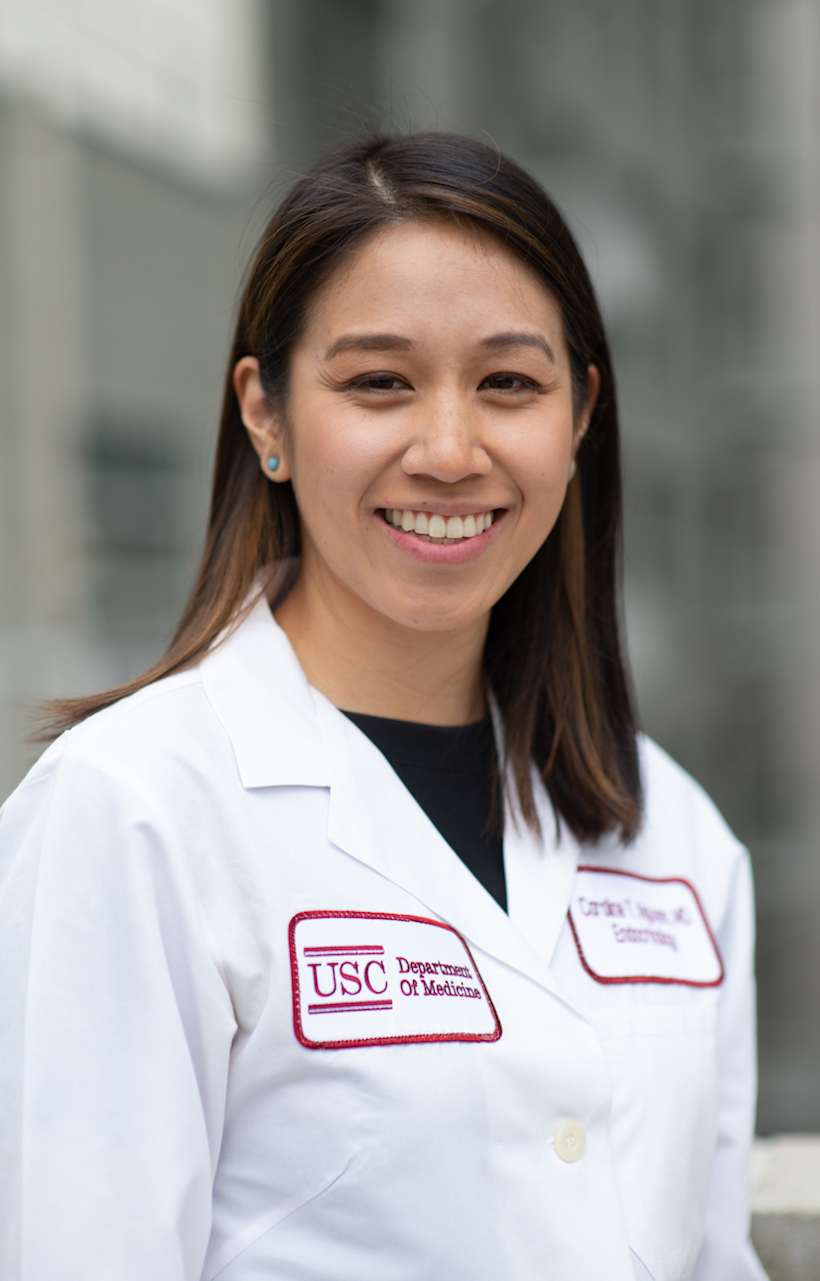
Amanda W
Emergency Medicine
Amanda W., MD is an emergency medicine physician in the PNW. She is passionate about normalizing conversations and removing stigmas surrounding postpartum recovery. She is a first time mom and a dog mom to a heeler/lab mix.
Want your full personalized postpartum plan?
Get daily logging, expert guidance, instructional videos, and support tailored to your fourth trimester — free to start.
Sign Up FreeMore Articles

 Optimal Recovery
10 Postpartum Essentials for the Lady Bits
A tried and true list of the must-have Postpartum Essentials.

 Optimal Recovery
Save Your Back Longterm!
How to protect your posture while breastfeeding and carrying baby!

 Optimal Recovery
Tired or Thyroid?
This questionnaire helps new mothers assess their risk for postpartum thyroiditis by reviewing timing, risk factors, symptoms, and warning signs, and guides whether to monitor, discuss with a provider, or seek prompt care.
 Optimal Recovery
When Fatigue Could Involve Thyroid
Postpartum thyroiditis is a common autoimmune condition that can occur within the first year after childbirth, causing symptoms like anxiety, rapid heartbeat, or extreme fatigue that often mimic typical new-mom exhaustion.