
Postpartum Recovery Timeline
Why Wait 6 Weeks?
Postpartum recovery is not a deadline-driven process. Assigning rigid timelines or calendar dates to healing (especially the six-week rule) can be misleading
and, at times, harmful. It can pressure some mothers to return to exercise before they’re ready, while making others feel behind or inadequate for wanting or needing to move sooner. The reality is this: not every woman will be ready to exercise at six weeks postpartum, and not every woman needs to wait six weeks to begin intentional movement -and both are completely valid.
Postpartum is a season of rehabilitation and baby bonding. Recovery is shaped by many factors: your medical and movement history, how you labored and delivered, your environment and support system, and the needs of your baby. Because of this, returning to movement will (and should) look different for every mother. For some, movement may begin with gentle walking, breathing, pelvic floor rehabilitation, or basic bodyweight exercises. For others, it may involve a more structured return-to-work or return-to-sport plan. Some women may benefit from starting intentional movement within days of birth; others may need many weeks before that feels appropriate. There is no single “right” timeline—only an individualized, responsive approach.
This is not the time to compare your recovery to anyone else’s.
What is universal is the need for a rehab-first mindset. Birth is a physiological event that causes real tissue change - regardless of how you labor or deliver. Muscles, connective tissue, organs, and the nervous system all undergo significant stress. Things stretch, shift, tear, and must gradually reorganize. Healing deserves respect.
There are also clear red flags that signal you may be doing too much, too soon:
Pain
Pelvic pressure or heaviness
Increased or persistent bleeding
Any involuntary loss of urine, stool, or gas
Bulging or visible prolapse
If any of these occur, stop and seek support—ideally from a pelvic floor physical therapist. Returning to exercise postpartum is not about “bouncing back.” It’s about rebuilding capacity, restoring function, and laying a resilient foundation for the demands of motherhood, work, and exercise. When we remove arbitrary timelines and prioritize individualized, progressive rehabilitation, we create space for safer, stronger, and more sustainable returns to movement.
Always consult your doctor, pelvic health physical therapist, or qualified medical provider before beginning or modifying exercise or movement during pregnancy or the postpartum period.
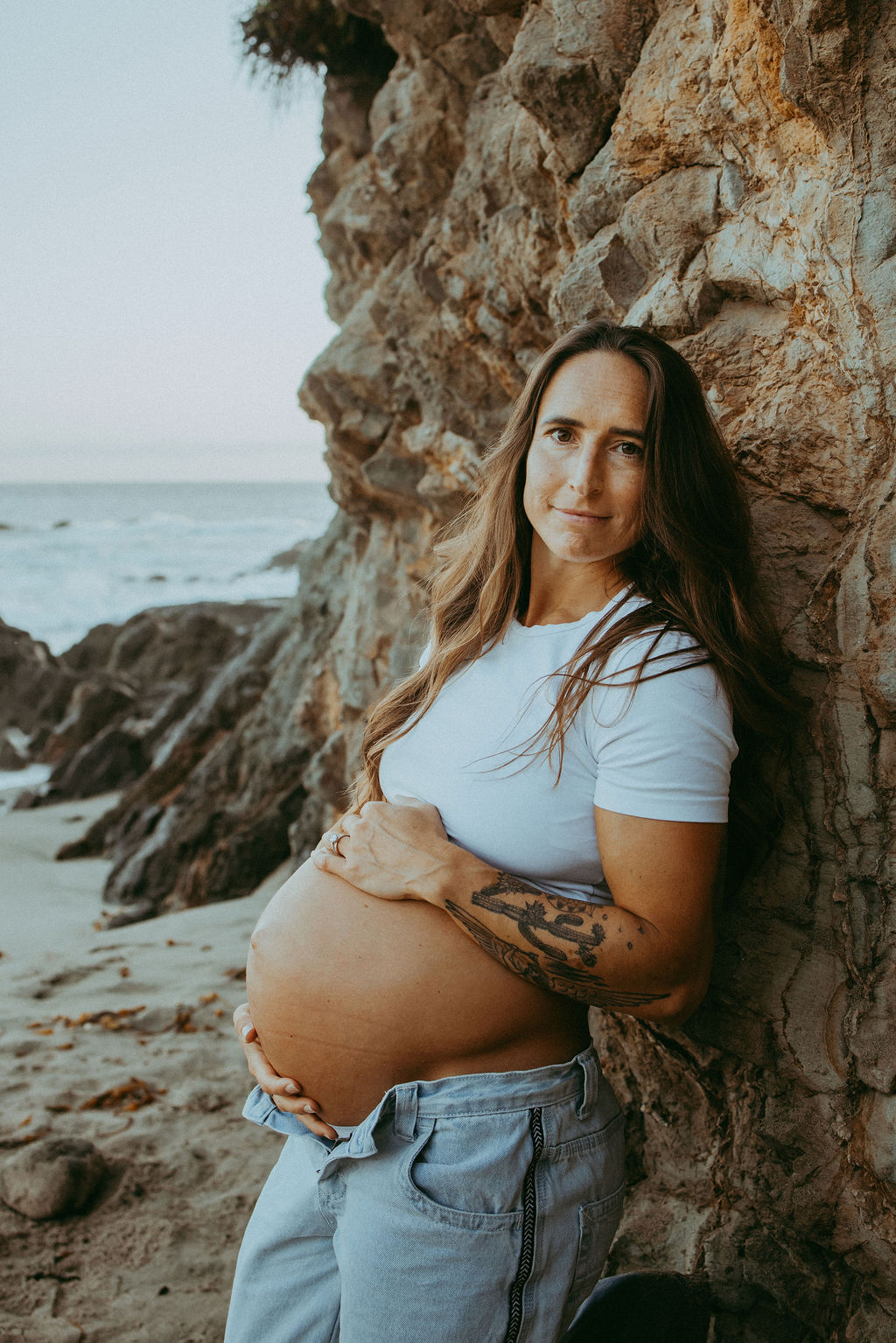
Ryan Reynolds
Pregnancy and Postpartum
Ryan Reynolds is an Olympian, firefighter, and certified strength and conditioning coach, specializing in pregnancy and postpartum fitness. As a new mother herself, Ryan brings both professional expertise and lived experience to her work, supporting women through safe, effective training during and after pregnancy. She is especially passionate about helping first responders and military women remain fit for duty during pregnancy and confidently return to career-supporting strength and performance postpartum.
Want your full personalized postpartum plan?
Get daily logging, expert guidance, instructional videos, and support tailored to your fourth trimester — free to start.
Sign Up FreeMore Articles

 Movement
The Power and Permission to Pause
Postpartum recovery isn't a race.

 Movement
Movement: WHY, WHEN, HOW?!
Just had a baby and feeling like a sleep-deprived zombie?
 Movement
5-Minute Movement Flow
Movement guide for a quick flow.
 Movement
Guide For Mothers Post C-Section Delivery
A 15 minute flow to support postpartum core and mobility after c-section.