
Birth, Trauma, and the Path to Peace
What Just Happened to Me?
Some people describe childbirth as a transcendent or spiritual experience, one of the closest moments to Heaven. That was not my experience.
I was young, hopeful, and excited to welcome my baby boy, but I was also diagnosed with preeclampsia. The day before delivery, the anesthesiologist calmly informed me he could not place an epidural due to the risk of hitting a vessel and causing paralysis. The one birthing class we attended had not prepared me for an unmedicated birth. I was terrified.
Labor progressed with induction, Pitocin, intense pain, and hours of strained breathing before another anesthesiologist was finally able to place the epidural safely. My son was born healthy, and for a moment, we felt pure joy.That moment ended abruptly when the doctor noticed significant hemorrhaging. The room changed. I was taken to surgery, where my husband was asked for permission to remove my uterus if necessary to save my life. Fortunately, the bleeding was controlled, and my uterus was preserved. I survived, but I came extremely close to not being here at all.
After a week in the hospital, a blood transfusion, and time to stabilize physically, we were discharged. We adjusted to newborn life with family support while my husband returned to work. I nursed, I followed the parenting books, and I tried to focus on recovery. But a few months later, I began experiencing sudden overwhelming fear, at the grocery store, in movie theaters, and in my sleep. I would wake in panic, heart racing, chest tight, certain something was terribly wrong. I went to the ER convinced it was medical. Instead, I was told I was experiencing panic attacks.
A panic attack is the body’s alarm system misfiring—responding as though you are in danger when you are not. The physical sensations are real, intense, and frightening. The ER physician recommended follow-up with my doctor, who referred me to therapy.
My delivery experience had been a trauma, and my nervous system was still reacting to it.
Therapy became a turning point. My therapist provided language for what I was experiencing, anxiety, panic, and post-traumatic stress, and helped me process the emotions my body had stored from the delivery. Together, we explored the fear, shock, helplessness, and grief that I hadn’t been able to understand at the time of my son’s birth.
Learning how to name, tolerate, and express my emotions safely helped my nervous system relearn that I was no longer in danger. Through grounding techniques, emotional regulation skills, and gentle self-compassion, I slowly rebuilt trust in my own body and mind. Healing wasn’t instantaneous or linear. There were days of progress and days of setback. But with consistent therapeutic support, patience, and a willingness to stay connected to my emotional experience, I found stability again.
References
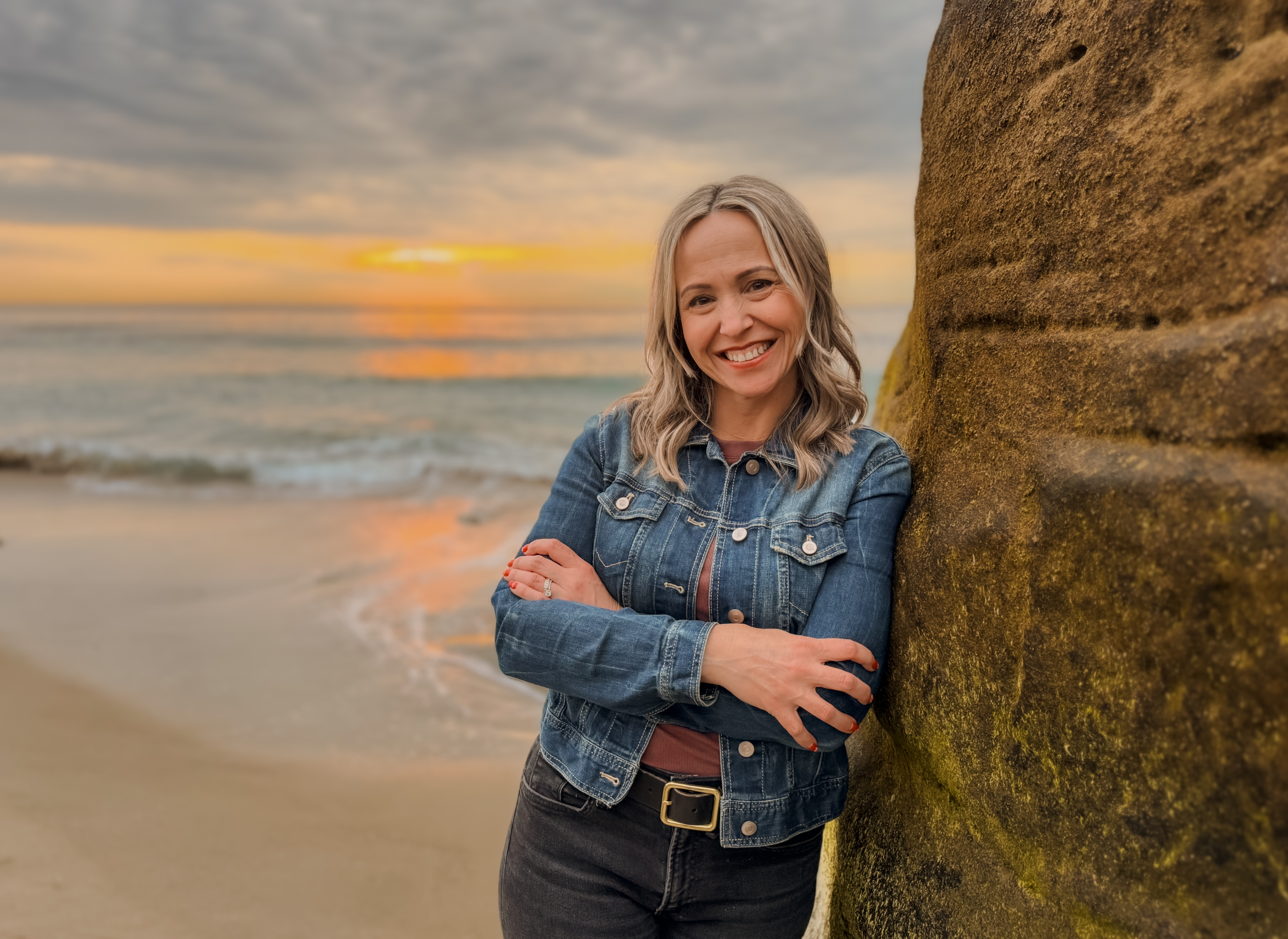
Brooke Robbins
Marriage & Family Counseling
Brooke earned her bachelor’s degree from the University of Utah in 1997 before dedicating several meaningful years to raising my three children. Now grown, they’ve gifted me the added joy of a daughter-in-law and two beautiful granddaughters. My professional journey into counseling began with certification from The Life Coach School, where I learned powerful, present-focused tools like those in cognitive behavioral therapy (CBT). Wanting to deepen my clinical understanding and support clients on a broader level, I began a master’s program in Marriage and Family Therapy at Point Loma Nazarene University in San Diego. I bring both life experience and clinical training into my work. I’ve navigated many transitions, and I’m passionate about meeting each client exactly where they are—with compassion, curiosity, and encouragement to define and become their best self. I work from an attachment-focused approach, meaning I pay close attention to how early relationships shape the way we connect, cope, and feel safe today. I have completed an Externship in Emotionally Focused Couples Therapy (EFCT) and help clients build a stronger sense of self, learning how to stay connected to others while also knowing, trusting, and expressing who they are.
Want your full personalized postpartum plan?
Get daily logging, expert guidance, instructional videos, and support tailored to your fourth trimester — free to start.
Sign Up FreeMore Articles

 Emotional Well-Being
Do You Feel the Pressure?
A lot of new moms feel this quiet pressure to be “perfect,” especially with how much of motherhood is seen through social media.

 Emotional Well-Being
A Trauma-Informed Approach to the Postpartum Season
While much focus is placed on preparing for birth, many parents are underprepared for the emotional and physiological demands of the postpartum period.

 Emotional Well-Being
Breathe into Calm
Postpartum emotions can feel like a rollercoaster, but your breath is one of the most powerful tools to restore calm and balance.

 Emotional Well-Being
More Nature Please
Reconnect with nature to support your postpartum well-being.